Budget 2026 keeps fuel duty at 52.95p until July 2027, then lifts it to 60.59p a litre
Fuel duty will not go up in January after all. The Budget published by the Treasury on 28 October 2026 keeps the temporary 5p cut until 30 June 2027, so petrol and diesel stay at 52.95p a litre in duty, where they have been since March 2022. The 3p rise planned for 1 January and the 2p for 1 March are cancelled. The bill comes later: the Treasury's own rates table sets duty at 60.59p from 1 July 2027, the 5p back plus an inflation rise. With VAT that is about 9.2p a litre at the pump, on top of today's 173.7p for unleaded and 198.9p for diesel.
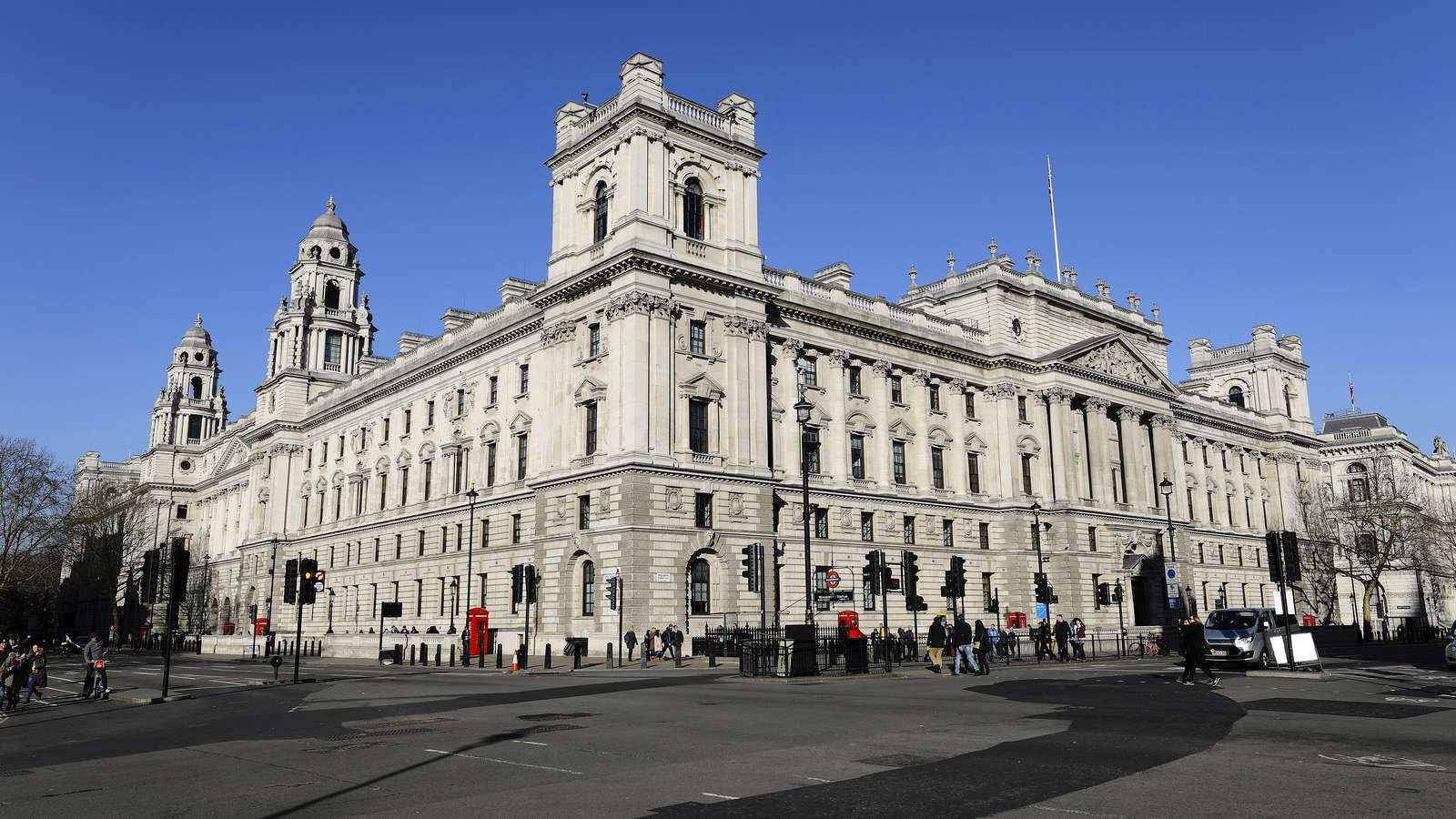
What the Budget decided on fuel duty
Two rises cancelled, one inflation increase moved back, and a single new date to remember: 1 July 2027.
| Date | Plan before today | Budget 2026 |
|---|---|---|
| Until 31 Dec 2026 | 52.95p | 52.95p |
| 1 Jan 2027 | 55.95p (+3p) | 52.95p, no change |
| 1 Mar 2027 | 57.95p (+2p) | 52.95p, no change |
| April 2027 | RPI inflation rise | Moved to 1 July 2027 |
| 1 Jul 2027 | 57.95p plus RPI | 60.59p |
| From 1 Apr 2028 | Yearly RPI rises | Yearly RPI rises |
Duty per litre on unleaded petrol and diesel (the same rate for both). "Plan before today": the schedule HMRC published on 22 May 2026. "Budget 2026": the rates table in Annex A of the Budget's overview of tax legislation and rates, and the policy costings, 28 October 2026.
The 5p cut dates from 23 March 2022, after Russia's invasion of Ukraine. It was meant to last a year. It has since been extended five times, the latest in May, when the war in the Middle East pushed pump prices up and the government held the full cut until the end of 2026. Today's sixth extension, the Budget document says, responds to diesel "exceeding £2 per litre in October 2026".
The Treasury costs the six-month extension at £575 million in 2026-27 and £780 million in 2027-28. It says the government's fuel duty decisions across this Parliament will have saved the average car driver £230, a light goods driver £472 and an HGV driver nearly £4,000, compared with the previous government's plans.
The new date: what 1 July 2027 adds to a litre
The cut is extended, not made permanent. On 1 July 2027 duty goes up in one step, and inflation is added on the same day.
The policy costings are plain about it: "On 1 July 2027, fuel duty rates will increase by 5ppl and will be uprated in line with the Retail Prices Index". The Treasury's rates table puts a number on that. Unleaded petrol and diesel go from 52.95p to 60.59p a litre, a rise of 7.64p. Of that, 5p is the cut coming back and the rest is RPI inflation of about 4.6% on the pre-2022 rate of 57.95p.
VAT at 20% is charged on top of duty, so a 7.64p duty rise becomes about 9.2p a litre at the pump. That is our calculation, and it assumes the retailer passes it on in full and nothing else changes. The plan HMRC published in May would instead have spread 5p over January and March, with inflation added in April.
duty per litre on 1 July 2027: 52.95p to 60.59p (Annex A)
per litre at the pump once 20% VAT is added (our calculation)
more to fill a 55-litre tank from 1 July 2027, other things equal (our calculation)
per 55-litre tank that the cancelled January and March rises would have added by March
How much of today's price is tax
Duty is a fixed amount per litre, VAT a percentage. Here is how this week's averages split, before and after the Budget's July step.
| Per litre | Unleaded | Diesel |
|---|---|---|
| UK average, week of 26 Oct | 174.07p | 199.22p |
| Fuel duty | 52.95p | 52.95p |
| VAT at 20% | 29.01p | 33.20p |
| Fuel, refining, delivery, retailer | 92.11p | 113.07p |
| Share that is tax | 47% | 43% |
| Same litre with July 2027 duty | 183.24p | 208.39p |
Averages: DESNZ weekly road fuel prices, week commencing 26 October 2026. VAT is one sixth of a VAT-inclusive price. The last row adds the 7.64p duty rise plus VAT (9.17p) to this week's price and holds everything else still; it is an illustration, not a forecast.
Because duty is the same for both fuels, the gap between petrol and diesel, now about 25p a litre, comes almost entirely from the price of the fuel itself. Our report on the diesel record explains why diesel has run so far ahead, and what sets the price on your forecourt covers the rest of the chain.
Today's forecourt prices are slightly below the weekly averages. Across the forecourts we track, the median at 16:29 was 173.7p for unleaded and 198.9p for diesel, with diesel from 186.7p to 222.9p depending on where you buy.
Will petrol go up in January 2027?
Not because of tax. The questions drivers are asking today, answered from the Budget documents.
1Does duty rise on 1 January 2027?
No. The 3p rise that HMRC had scheduled for 1 January is cancelled. Duty stays at 52.95p a litre for petrol and diesel.
2What about 1 March and April?
Also cancelled. The 2p step on 1 March is gone, and the inflation rise planned for April 2027 is moved to 1 July 2027.
3So when does it change?
On 1 July 2027, to 60.59p a litre. After that, the costings say rates will rise with RPI every year from 1 April 2028.
4Was VAT on fuel cut?
No. The Budget does not change the 20% VAT on petrol and diesel. The VAT cut it extends is on household electricity, to 1 July 2027.
5Can prices still rise this winter?
Yes, if oil or wholesale diesel go up. Duty only fixes the tax part. Compare forecourts before you fill up: the cheapest forecourts and supermarket prices pages update every hour.
Red diesel, lorries, mileage and heating oil
The fuel duty decision came with smaller measures for farmers, hauliers, people who drive for work and homes on oil.
Red diesel: 6.48p until 30 June 2027
The extra 3.7p cut on red diesel, used by farms, rail freight and other machinery off the road, is extended six months. The rate then goes to 11.65p a litre from 1 July 2027 (Annex A).
HGV road tax holiday kept
The 12-month vehicle excise duty holiday for most HGVs, which began in July, runs to 1 July 2027. The Treasury puts the saving at £600 for a typical lorry.
Mileage rates: 55p and 35p
Announced on 27 October and confirmed today: the tax-free rate for using your own car or van for work rises to 55p a mile for the first 10,000 miles and 35p above that.
Heating oil tariff suspended
The costings list a tariff suspension on kerosene for heating oil from 26 November 2026 to 31 December 2028. Our heating oil report has the background.
Red diesel follows the main rate's timetable: the policy paper says it returns to its pre-March 2022 rate and is uprated by RPI from 1 July 2027, which is the 11.65p in the Treasury's table, up from 6.48p now.
More fuel prices on Fuel Radar
Pages we update every hour, closest to this story.
Unleaded prices today
The national median, the cheapest and dearest forecourts, region by region
Diesel prices today
Where a litre of diesel costs least, and how wide the gap is
The cheapest forecourts
The lowest petrol and diesel prices we track right now
What sets the price of fuel
Wholesale costs, tax, supermarkets and motorway services explained
Fuel prices in other countries
How UK pump prices compare with France, Germany and the rest of Europe
Fuel price questions
Short answers on prices, timestamps and where the data comes from
Where these figures come from
Rates and dates come from the Treasury's Budget documents and HMRC; prices from the government's weekly statistics and our own forecourt feed. Pump-price effects are our calculations.
- HM Treasury, Budget 2026 (HC 726), chapters 3 and 7 and Table 6.1, 28 October 2026 – gov.uk
- HM Treasury, Budget 2026: overview of tax legislation and rates, section 2.18 and Annex A (fuel duty rates from 1 July 2027), 28 October 2026 – gov.uk
- HM Treasury, Budget 2026 policy costings: Fuel Duty and Red Diesel measures, October 2026 – assets.publishing.service.gov.uk
- HM Treasury, Budget 2026: Breathing space for today, hope for the future, press release, 28 October 2026 – gov.uk
- HMRC, Amended Fuel Duty rates: 2026 to 2027, 22 May 2026 (the schedule replaced today) – gov.uk
- Department for Energy Security and Net Zero, Weekly road fuel prices, week commencing 26 October 2026 – gov.uk
- UK medians and ranges: this site's forecourt snapshot of 28 October 2026 at 16:29 – how we count
Published
By Fuel Radar newsroom
We read the open price feeds published by UK fuel retailers every hour, and follow the official statistics and regulators' reports that explain why the price on the board moves.
Sources: HM Treasury, Budget 2026, Annex A: rates and allowances, overview of tax legislation and rates and policy costings, all 28 October 2026; HMRC, Amended Fuel Duty rates 2026 to 2027 (22 May 2026); DESNZ weekly road fuel prices. Contains public sector information licensed under the Open Government Licence v3.0. Pump-price effects and the price breakdown are our own calculations. Photo: bryansjs, Flickr, via Wikimedia Commons, CC BY-SA 2.0.